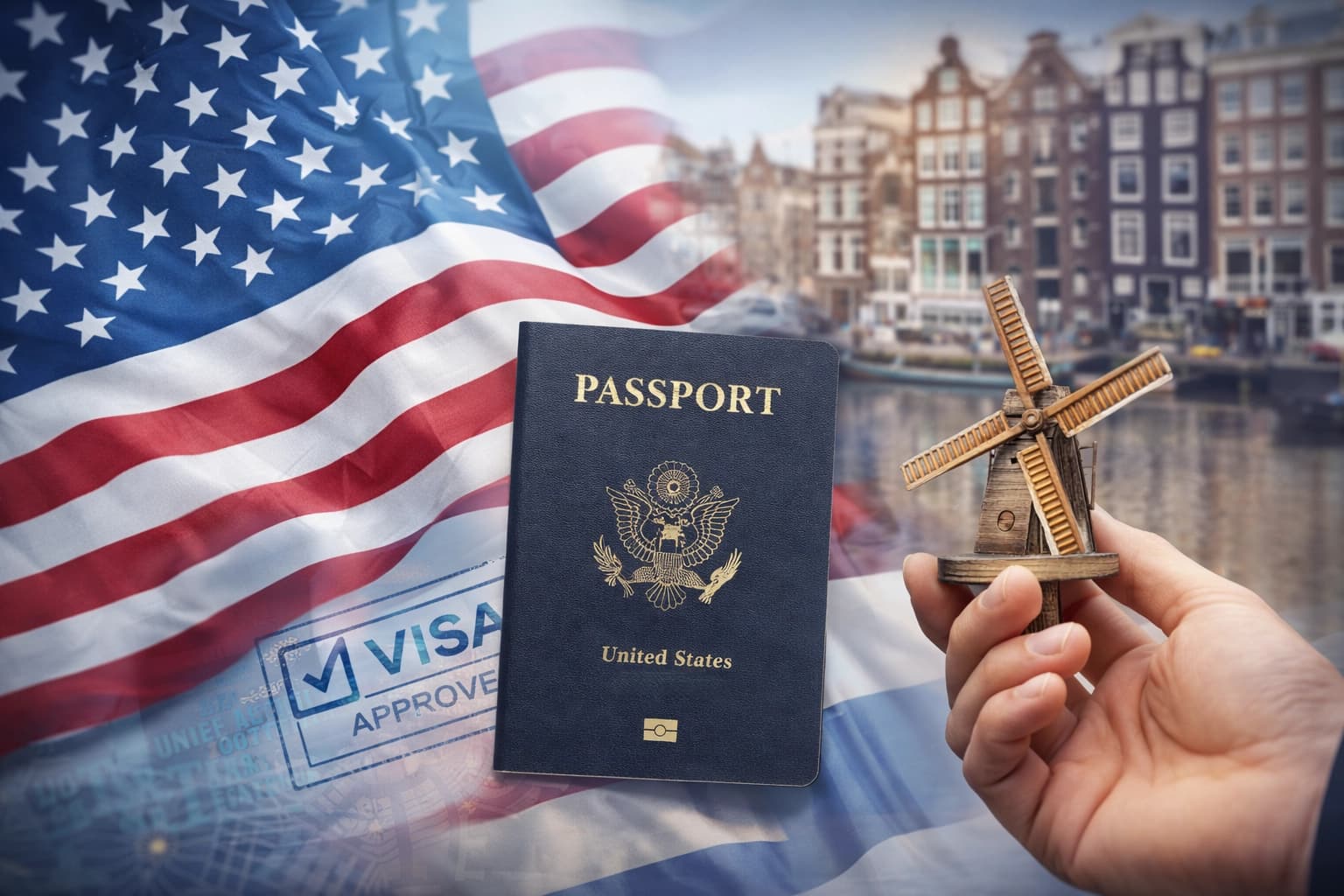
DAFT Visa for the Netherlands: A Practical Path for U.S. Entrepreneurs
Learn how the DAFT visa enables U.S. entrepreneurs to live and work in the Netherlands. TAMM Solutions explains eligibility, obligations, and how to apply correctly.
DAFT Visa for the Netherlands: A Practical Path for U.S. Entrepreneurs
Learn how the DAFT visa enables U.S. entrepreneurs to live and work in the Netherlands. TAMM Solutions explains eligibility, obligations, and how to apply correctly.
Introduction
The world is vast, and modern work is no longer confined by borders. Entrepreneurs, freelancers, and internationally minded professionals increasingly seek the freedom to live and work abroad. Yet while mobility has increased, securing lawful residence in another country remains a complex process.
Many countries impose strict visa requirements, high investment thresholds, or lengthy assessment procedures. For U.S. citizens, however, additional legal pathways exist. One of the most accessible options in Europe is the DAFT visa for the Netherlands, which allows American entrepreneurs to establish a business and obtain residence under favorable conditions.
At TAMM Solutions, we regularly assist U.S. entrepreneurs with the legal, corporate, and administrative steps required to relocate and operate compliantly in the Netherlands.
The Dutch American Friendship Treaty (DAFT)
The relationship between the United States and the Netherlands is rooted in centuries of trade, diplomacy, and mutual recognition. In 1956, this cooperation was formalized through the Dutch American Friendship Treaty (DAFT), designed to stimulate entrepreneurship and cross-border economic activity.
Under this treaty, U.S. citizens benefit from significantly simplified conditions when establishing a business in the Netherlands. Most notably, American entrepreneurs are exempt from the standard point-based assessment that typically applies to foreign business owners, and the required investment threshold is considerably lower.
This makes DAFT one of the most practical and legally predictable residence options for U.S. entrepreneurs in Europe.
The Caribbean Netherlands
The Kingdom of the Netherlands extends beyond Europe and includes several Caribbean territories, such as Curaçao, Aruba, St. Martin, Bonaire, St. Eustatius, and Saba. The DAFT treaty applies to these territories as well.
With a combined population of over 300,000 residents and close proximity to the United States, the Caribbean Netherlands can be an attractive alternative for entrepreneurs seeking a warmer climate or closer geographic ties to the U.S., while still operating under Dutch legal frameworks.
Applying for the DAFT Visa
The DAFT visa is exclusively available to U.S. citizens. It is intended for entrepreneurs who either engage in trade between the U.S. and the Netherlands or establish a business within the Dutch economy.
A key advantage of DAFT is its low financial threshold. The minimum required investment is €4,500 (approximately $5,300), which may be invested directly into a newly established Dutch entity.
Unlike other business migration routes, DAFT applicants are not subject to a substantive economic relevance assessment. However, the application process still requires careful legal and administrative setup.
In practice, this includes:
Establishing a Dutch business entity
Registering with the Chamber of Commerce (KvK)
Opening a Dutch business bank account
Depositing the required investment capital
In addition, applicants must meet general immigration requirements, such as holding a valid passport, demonstrating sufficient means of support, and having no criminal record posing a public risk.
At TAMM Solutions, we assist clients with both the immigration application and the corporate and administrative foundations needed to ensure long-term compliance.
Family Reunification
DAFT residence permits allow for family reunification. A spouse or registered partner and minor children may apply as dependents.
Dependents are not required to make an investment and are generally permitted to work in the Netherlands without a separate work permit, making DAFT a viable option for families relocating together.
Ongoing Obligations and Compliance
While DAFT offers accessible entry conditions, maintaining residence requires continued compliance. The business must remain active, the required capital must be maintained, and Dutch legal and administrative obligations must be met.
These include:
Municipal registration
Mandatory health insurance
Proper bookkeeping and tax filings
Ongoing corporate administration
Failure to meet these obligations can affect both the business and the validity of the residence permit. For this reason, many entrepreneurs choose to work with a professional advisor familiar with Dutch corporate, tax, and immigration systems.
As a boutique firm, TAMM Solutions provides integrated support across corporate administration, legal compliance, tax coordination, and immigration matters, allowing entrepreneurs to focus on their business rather than bureaucracy.
Things to Consider Before Relocating
Because DAFT residence is tied directly to your business, preparation is essential. A clear business plan, realistic expectations, and an understanding of Dutch regulatory frameworks are critical for a smooth transition.
Relocation involves more than obtaining a residence permit. Adjusting to a new legal system, tax environment, and administrative culture takes time. Addressing these elements proactively reduces risk and uncertainty during the early stages of settlement.
Why the Netherlands
The Netherlands offers a business-friendly environment with one of the highest English proficiency levels worldwide, making it accessible for international entrepreneurs from day one.
Its central location within Europe allows easy access to major commercial hubs such as London, Paris, and Brussels. The country also provides a high standard of living, strong infrastructure, and a stable legal system.
For families, the Netherlands is known for its excellent education system and safe, child-friendly environment. Dutch society places a strong emphasis on personal freedom, inclusion, and individual autonomy—values reflected in both law and everyday life.
Frequently Asked Questions
Is DAFT suitable for freelancers and consultants? Yes. Sole proprietors and self-employed professionals commonly apply under DAFT.
Do I need a large company or employees? No. Small businesses and one-person entities are permitted, provided they are active and compliant.
How long is the DAFT residence permit valid? The initial permit is typically issued for two years and may be renewed if conditions continue to be met.
Can my partner work in the Netherlands? In most cases, yes. Dependents are generally permitted to work without a separate permit.
Is Dutch language proficiency required? No formal language requirement applies, though learning Dutch is recommended for long-term integration.
Conclusion & Next Steps
The DAFT visa provides U.S. entrepreneurs with a rare opportunity: a legally secure, accessible route to living and working in the Netherlands. However, successful relocation depends on proper entity setup, legal compliance, and ongoing administration.
TAMM Solutions supports entrepreneurs throughout this process—from business formation and immigration applications to corporate administration, tax compliance, and dispute resolution—ensuring clarity and continuity at every stage.
Schedule a Consultation
If you are considering relocating under the DAFT treaty, a structured consultation can help assess eligibility, outline obligations, and determine the most efficient setup for your situation.
Book an appointment with TAMM Solutions to discuss your plans with confidence.