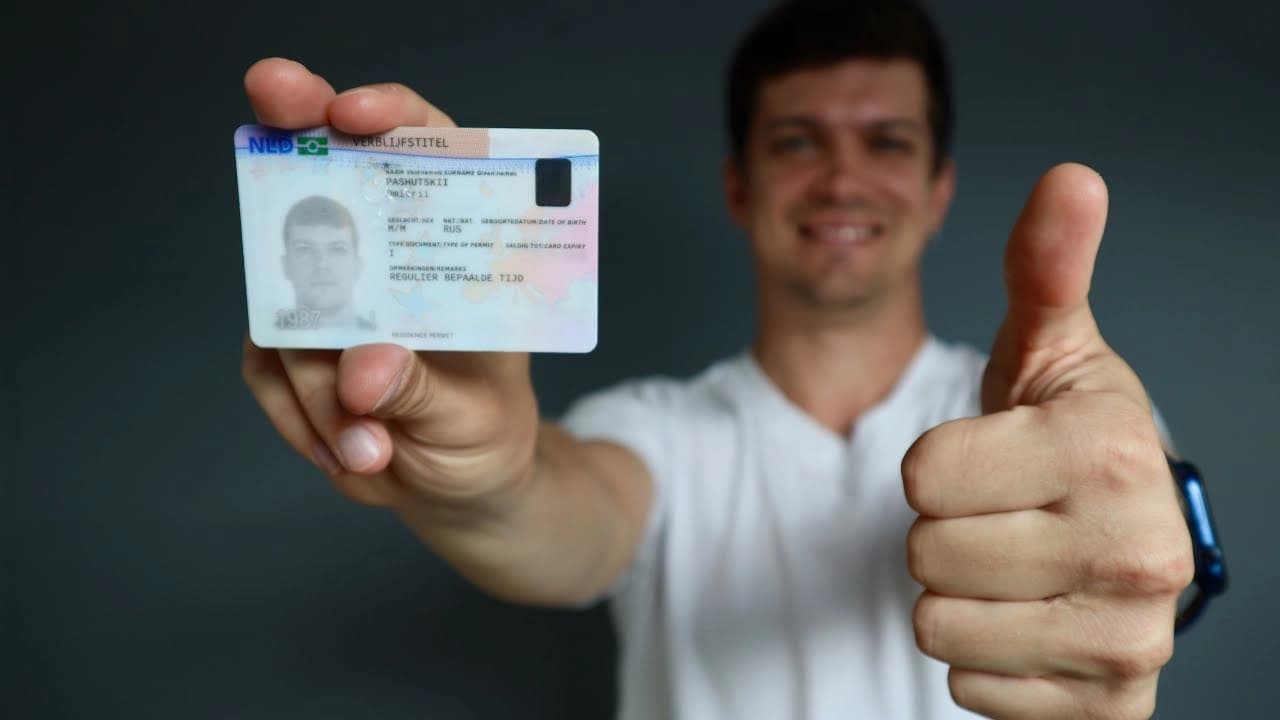
Residence Permit for Economically Inactive Long-Term EU Residents in the Netherlands
Learn how economically inactive long-term EU residents can move to the Netherlands, including requirements, limitations, and practical considerations.
Introduction
For non-EU nationals who already hold a long-term residence permit in another EU country, relocating within the European Union may seem straightforward. However, moving to the Netherlands—particularly without immediate employment or business activity—requires careful planning.
One specific scenario that often raises questions is whether economically inactive individuals (i.e. not employed or self-employed) can obtain residence in the Netherlands based on their existing EU long-term status.
At TAMM Solutions, we support international clients in assessing such relocation scenarios, ensuring alignment between immigration, financial position, and compliance requirements.
Who Are Economically Inactive Long-Term EU Residents?
This category generally refers to individuals who:
· Hold an EU long-term residence permit from another Member State
· Are not immediately employed or self-employed
· Have sufficient financial means to support themselves
· Do not rely on public funds
Examples include:
· Remote income earners
· Investors
· Individuals between business activities
· Family-supported residents
Is This Type of Residence Possible in the Netherlands?
Yes — under certain conditions, economically inactive individuals may apply for residence in the Netherlands, but:
❗ It is not automatic
❗ It requires a formal application
❗ Approval depends on meeting strict conditions
Applications are assessed by the Immigration and Naturalisation Service (IND).
Key Requirements
To qualify, applicants typically need to demonstrate:
1. Sufficient Financial Means
You must show that you can support yourself without relying on the Dutch social system.
This may include:
· Savings
· Passive income
· Foreign income sources
2. Valid EU Long-Term Residence Status
Your existing permit must:
· Be valid
· Be issued by another EU Member State
· Meet EU long-term residence criteria
3. Health Insurance
You must obtain:
· Dutch health insurance
· Coverage from the moment of registration
4. No Threat to Public Order
Standard immigration checks apply.
What Does “Economically Inactive” Mean in Practice?
In this context, “economically inactive” does not mean unrestricted freedom to remain inactive indefinitely.
Authorities expect that:
· You remain financially self-sufficient
· You do not become dependent on public resources
· Your situation remains transparent and justifiable
Structured Relocation Considerations
In practice, this route is sometimes used in transitional scenarios, where:
· Individuals relocate before starting business activities
· A Dutch company setup is planned after arrival
· Professional or entrepreneurial activities are phased in
Such approaches require careful alignment between:
· Immigration status
· Financial position
· Future activity
Limitations and Risks
This route comes with important limitations:
· It may not allow immediate unrestricted work
· Authorities may assess ongoing eligibility
· Renewal depends on continued compliance
Additionally:
· Transitioning into active business or employment must be handled correctly
· Misalignment can create compliance risks
Common Misconceptions
“I can live in the Netherlands without any conditions.”
No — financial independence and compliance are required.
“I can start working immediately later without changes.”
Not necessarily. Your residence status must match your activities.
“EU long-term residence gives full mobility rights.”
It provides limited mobility, not automatic relocation.
How to Approach This Strategically
Before pursuing this route, it is important to assess:
· Your financial situation
· Your short-term vs long-term plans
· Whether business or employment will follow
· How your structure will evolve
This ensures that your residence status remains aligned with your activities.
How TAMM Solutions Supports These Cases
As a boutique Dutch legal and corporate consulting firm, TAMM Solutions supports clients with:
· Assessing relocation feasibility
· Structuring business setup after arrival
· Aligning immigration with compliance requirements
· Coordinating with immigration specialists
· Supporting ongoing administration
Our role is to ensure that relocation, structure, and compliance are aligned from the outset.
Frequently Asked Questions
Can I move to the Netherlands without a job or business?
Yes, in some cases, if you meet financial and regulatory requirements.
Do I need to prove income?
Yes, sufficient financial means are essential.
Can I start a business later?
Possibly, but your residence permit must align with your activities.
Is this route common?
It is less common and requires careful structuring.
Conclusion & Next Steps
The residence permit for economically inactive long-term EU residents offers a pathway to relocate to the Netherlands without immediate employment or business activity. However, it requires careful planning, financial stability, and alignment with future intentions.
Assess Your Relocation Strategy Carefully
If you are considering relocating under this route, a structured review can help ensure that your immigration status, financial position, and future plans are aligned.
Book an appointment with TAMM Solutions to assess your relocation and structuring options.